Reviewing Cover Medical Glasses for Embroidery
As a designer who spends half my life digitizing and the other half stitching, I have learned to look past the glossy preview images. When I first encountered Cover Medical Glasses, my initial reaction was one of cautious optimism. The product is categorized under Logos and Graphics, which immediately signals that this is a vector-based asset rather than a pre-digitized embroidery file. For those of us in the trade, this distinction is critical. It means we are looking at a design foundation, not a finished stitch plan. The description promises an elegant, modern, and versatile aesthetic, and visually, it delivers on that promise. But does it hold up when translated from screen to thread?
The Aesthetic Appeal and First Impressions
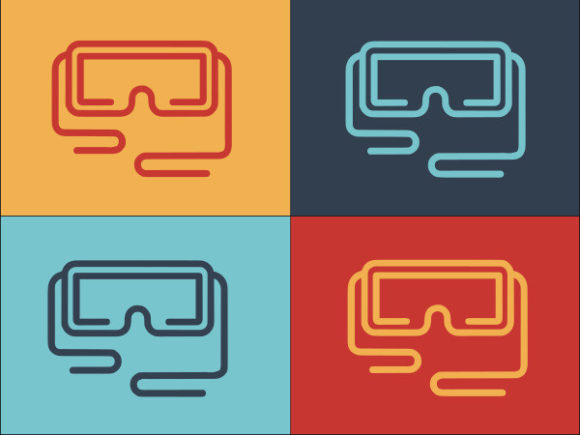
The visual personality of Cover Medical Glasses is clean and professional. In the world of medical and wellness branding, clutter is the enemy. This design avoids unnecessary flourishes, opting instead for a streamlined silhouette that suggests precision and care. For an embroidery project, this simplicity is a double-edged sword. On one hand, clean lines are easier to stitch cleanly. On the other, they leave nowhere for errors to hide. A wobbly satin stitch or a misaligned corner becomes immediately apparent in minimalist designs.
The mood it creates is trustworthy. If you are a small business owner creating branded merchandise for a clinic, a pharmacy, or a wellness coach, this graphic fits the bill. It does not scream for attention; rather, it whispers competence. This subtle confidence is exactly what many corporate clients look for in custom apparel. However, because it is provided as an SVG compatible with tools like Inkscape, Gravit Designer, and Adobe Photoshop, the burden of translation falls on you. You must decide how this static image becomes a tactile object.
Real-World Application: The Corporate Gift Scenario
To truly evaluate Cover Medical Glasses, I imagined a specific real-life scenario. A local optometry practice approached me for a batch of high-end client gifts. They wanted something useful but refined—nothing too flashy. I considered using this design on a premium cotton tote bag. The concept was simple: a neutral canvas bag with the logo embroidered in a deep navy or slate grey.
In this context, the design’s versatility shines. Because it is a graphic logo, it scales well. I could place it centrally on the bag for a bold statement or tuck it into the bottom corner for a subtle, boutique feel. The elegance of the lines complements the texture of heavy canvas. When stitched, the sharp edges of the glasses frame would require precise digitizing. I would likely use a combination of satin stitches for the thicker frames and running stitches for any finer details or connecting lines. This approach ensures the design remains legible without becoming a dense block of thread that stiffens the fabric.
For an Etsy seller or craft business owner, this type of project represents a higher margin opportunity. Personalized gifts that look professionally branded command higher prices. By taking a raw graphic asset and turning it into a finished product, you add significant value. The key is ensuring that the final embroidered patch or direct stitch looks intentional, not like a home experiment.
Technical Considerations for Stitching
Since Cover Medical Glasses is a vector graphic, you cannot simply load it into your embroidery machine. You must digitize it or hire a digitizer. This is where many hobbyists stumble. The description notes it is easy to customize, which is true for graphic design, but embroidery customization requires a different skill set. You need to consider stitch density carefully. Medical symbols often involve circular shapes and straight lines. Circles are prone to puckering if the pull compensation is not adjusted correctly.
If you are working with textured fabrics, such as a fluffy towel or a thick sweatshirt, the fine details of the glasses might get lost. In these cases, I recommend simplifying the design further. Remove any tiny internal details that cannot be resolved by the needle. For dark fabrics, you will need to ensure your thread colors have enough contrast. A white thread on black fabric is classic, but if the design has varying line weights, ensure the thinner lines are wide enough to be seen. A thread color mismatch can ruin the modern aesthetic, making the design look muddy rather than crisp.
Stabilizer choice is non-negotiable here. For a logo of this nature, a cut-away stabilizer is usually best for garments that will be washed frequently, like t-shirts or aprons. For decorative items like pillow covers or wall hangings, a tear-away might suffice, but always test on scrap fabric first. I cannot stress this enough: never stitch your final product without a test run. Check how the satin stitch behaves on your specific fabric texture. Does it sink in? Does it pucker? Adjust your tension and density accordingly.
Navigating Limitations and Fabric Choices
There are situations where Cover Medical Glasses should be used with caution. Small hoop sizes present a challenge. If you are trying to fit this onto a cap or a baby onesie, the scale becomes critical. Tiny lettering or intricate corners can bunch up if the hoop is too small or the fabric is too stretchy. Caps, in particular, have curved surfaces that distort flat designs. You may need to warp the design slightly in your digitizing software to account for the curvature of the hat.
Thin fabrics are another risk area. If you are stitching this on a lightweight silk scarf or a thin polyester shirt, the density of the thread can cause the fabric to gather. In such cases, consider using an applique design technique. Instead of filling the entire shape with thread, you could use a piece of contrasting fabric cut to the shape of the glasses, secured with a satin stitch border. This reduces bulk and adds a unique textural element to the handmade product. It also speeds up production time, which is vital for small shop products during peak seasons like holiday embroidery rushes.
Commercial Viability and Brand Consistency
For commercial embroidery projects, consistency is king. If you are producing fifty units for a client, every single one must look identical. Using a standardized digital embroidery file ensures this repeatability. However, since you are starting with a graphic, you must create your own stitch file. Once digitized, save it as a proprietary format for your machine and keep a backup. This becomes a valuable design asset for your business.
Buyer engagement often hinges on presentation. A well-stitched logo on a high-quality garment builds customer trust. It signals that you care about details. Whether you are selling printable mockups to show potential clients or listing finished items on Etsy, the clarity of the stitch work matters. Blurry edges or loose threads detract from the professional image. Cover Medical Glasses, with its clean lines, rewards careful digitizing. It allows you to showcase your technical skill.
Before selling any finished items, always confirm the licensing terms. While the graphic itself may be free or purchased for commercial use, the act of digitizing it creates a new layer of intellectual property. Ensure you have the right to sell the embroidered products. Most vector graphics licenses allow for end-product sales, but it is wise to double-check. Transparency with your clients about the design source can also be a selling point, showing that you respect creative rights.
Final Verdict for Designers and Makers
Cover Medical Glasses is a strong candidate for professionals who understand the bridge between graphic design and embroidery. It is not a plug-and-play solution, but rather a versatile building block. Its modern style fits well with current trends in minimalism and professional branding. For the experienced designer, it offers a canvas to demonstrate precision. For the small business owner, it offers a pathway to creating high-value, personalized gifts and custom apparel.
Remember to respect the materials. Choose your thread colors wisely, match your stabilizer to your fabric, and always test. When done correctly, this design elevates the perceived value of the finished product. It turns a simple item into a branded experience. Whether for a corporate gift, a boutique product, or a personal keepsake, this graphic has the potential to perform beautifully, provided you give it the technical attention it deserves.