OnGlyph Medical Icons & Graphics Review
As a digital product creator who has spent years navigating the shifting tides of Etsy, Creative Fabrica, and various print-on-demand platforms, I have learned that not all graphic design assets are created equal. Some are merely decorative, while others serve as foundational tools for building a scalable digital product line. Recently, I evaluated the OnGlyph Medical Vector Glyph Icon Design collection to determine its viability for commercial use. My goal was not just to admire the aesthetics, but to stress-test these files against the rigorous demands of modern online selling.
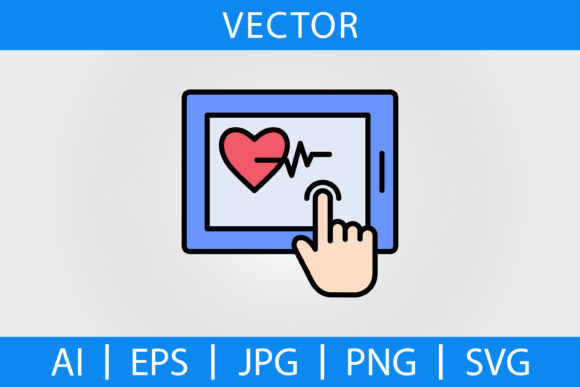
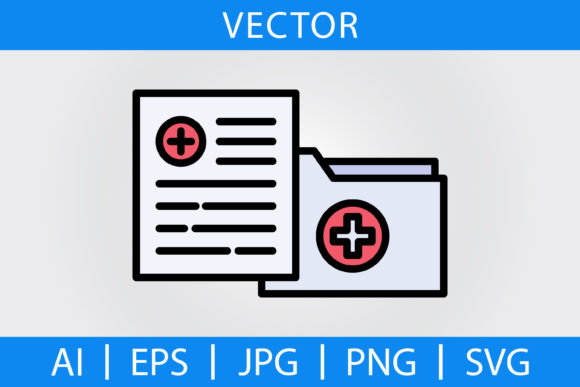
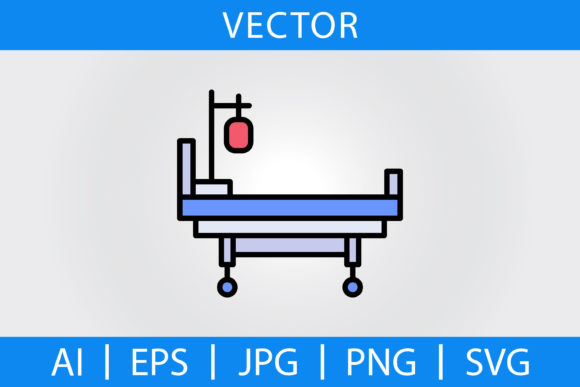
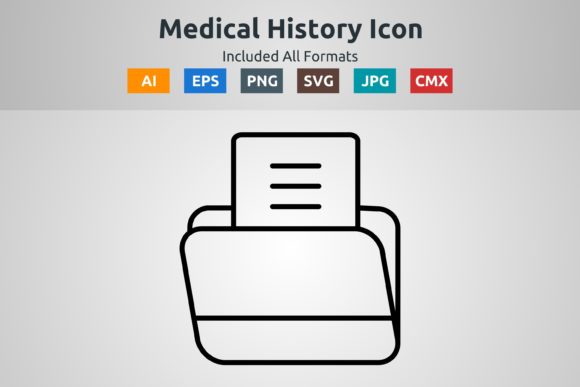
The first impression of this asset pack is one of clinical precision mixed with approachable minimalism. In the crowded niche of healthcare and wellness Icons, it is easy to find designs that are either too sterile or overly cartoonish. This collection strikes a balance that feels professional yet accessible. The visual personality is clean and modern, avoiding unnecessary clutter. For sellers targeting nurses, doctors, medical students, or health-conscious consumers, this aesthetic signals trust and clarity. It does not scream for attention with loud colors; instead, it relies on strong silhouettes and balanced negative space, which is crucial for versatile commercial design applications.
Technical Foundation and File Versatility
Before integrating any asset into a design bundle, I inspect the technical specifications. The product description notes that the Files Includes Vector files that are openable, editable, and resizable without losing quality. In practice, this means the core value lies in the scalability. Whether you are creating a tiny favicon for a health blog or a large-format banner for a medical conference, the vectors hold up. These files can be read by vector-based graphics programs such as Adobe Illustrator, Corel Draw, and similar industry-standard software.
You also receive image JPG files, which serve as quick previews or ready-to-use elements for non-vector workflows. However, the true power for a small business branding expert or a handmade business owner lies in the vector formats. Being able to edit anchor points and adjust stroke weights allows for complete customization. This flexibility is essential when adapting a single illustration to fit different aspect ratios across social media posts, packaging, and merchandise.
Real-World Product Applications
I tested the OnGlyph Medical Vector Glyph Icon Design across several potential product lines to see where it performed best. For Etsy product creators, these icons are ideal for building niche-specific bundles. Here is how they translate into sellable items:
- Planner Stickers and Digital Journals: The clean lines work exceptionally well for functional stickers in health trackers, medication logs, and fitness planners. They provide clear visual cues without overwhelming the user’s handwritten notes.
- Print-on-Demand Apparel: When adapted into a t-shirt design, the simplicity ensures that the graphic remains legible even after multiple washes. I found that pairing these icons with bold sans serif fonts created a modern, activist-style look suitable for nursing graduates or healthcare advocates.
- Mug and Tumbler Wraps: For a mug design, the icons can be arranged in repeating patterns or used as central focal points. The vector nature ensures crisp edges when printed on curved surfaces via sublimation.
- Canva Templates: If you sell editable templates, these icons can be uploaded as SVGs or high-resolution PNGs. They allow end-users to create professional-looking flyers for clinics, wellness workshops, or appointment cards.
- Social Media Graphics: Content creators in the health niche can use these to break up text-heavy posts. They add visual hierarchy to Instagram carousels explaining medical terms or wellness tips.
Enhancing Product Presentation
A common mistake among new sellers is underestimating the role of assets in product mockup creation. The OnGlyph Medical Vector Glyph Icon Design helps elevate listing images by providing consistent visual elements. When creating thumbnails for a digital download shop, using these icons as decorative accents around your main text can increase click-through potential. They signal to the buyer that the product is polished and professionally curated.
Furthermore, these icons support brand consistency. If you are launching a seasonal collection focused on Mental Health Awareness Month or Nurse Appreciation Week, using a unified set of Graphics ensures that your shop looks cohesive. This perceived value encourages customers to purchase entire bundles rather than single items, increasing your average order value.
Strategic Placement and Cautionary Notes
While versatile, this asset pack is not a universal solution. It works best in layouts that prioritize clarity and whitespace. Large product previews, themed bundles, and clean printable products benefit most from this style. However, there are scenarios where caution is required.
Avoid using these icons in overly complex layouts where they might get lost. For Cricut project enthusiasts, always verify the cut quality. While vectors are generally safe, intricate details in smaller icons may require simplifying the path before cutting vinyl for a sticker design. Additionally, be mindful of contrast. On dark backgrounds, ensure you invert the colors or add a stroke to maintain visibility. Using these icons on low-resolution print products or crowded thumbnails can diminish their impact, making them appear muddy or indistinct.
Practical Seller Checklist
Before publishing any listing featuring OnGlyph Medical Vector Glyph Icon Design, I recommend following this practical workflow:
- Test on Real Mockups: Do not rely solely on screen previews. Place the icon on a physical mug, a printed planner page, or a fabric swatch to check color fidelity and scale.
- Check Background Contrast: Preview the design on both white and dark backgrounds. Ensure the lines remain sharp and distinct in both scenarios.
- Verify File Resolution: For PNG exports, ensure you are saving at 300 DPI for print products. For web use, 72 DPI is sufficient, but keep the original vector for future edits.
- Inspect SVG Cut Lines: If targeting crafters, open the SVG in design software like Cricut Design Space or Silhouette Studio. Check for stray points or overlapping paths that could cause cutting errors.
- Typography Pairing: Experiment with font combinations. These medical icons pair well with clean sans serif fonts for a modern look, or elegant script fonts for a softer, care-oriented vibe. Avoid overly decorative display fonts that compete with the icon’s simplicity.
- Confirm Licensing: Always review the commercial license terms. Ensure you understand the limits on usage, especially if you plan to incorporate these icons into logos or trademarks, which often have different restrictions than general merchandise.
In conclusion, the OnGlyph Medical Vector Glyph Icon Design is a robust resource for designers and entrepreneurs in the health and wellness space. It offers the technical flexibility required for high-quality sublimation design and printable design projects, while maintaining an aesthetic that resonates with professional audiences. By testing these assets thoroughly and applying them strategically, you can enhance your creative marketplace presence and build a reputable, visually coherent brand.