Reviewing Beaker Lab Logo Line Art for Embroidery
As a designer who spends half my life digitizing and the other half stitching, I have learned that not every pretty graphic translates well to thread. When I first pulled up the Beaker Lab Logo Line Art Vector, my initial reaction was one of cautious optimism. Line art can be tricky in embroidery; without careful handling, it often looks sparse or loses its definition on textured fabrics. However, this specific design caught my eye because of its clean, scientific aesthetic. It feels modern, precise, and surprisingly versatile for a piece categorized under Freebies and Graphics.
I decided to put this file through its paces, imagining how it would perform in real-world scenarios for my clients and my own small shop inventory. Here is my practical breakdown of using this asset for actual production.
First Impressions and Visual Personality
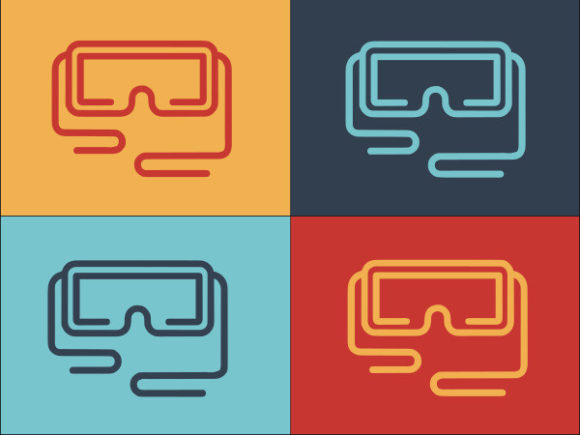
The mood of the Beaker Lab Logo Line Art Vector is distinctly intellectual yet playful. It evokes curiosity, precision, and a touch of retro-modern charm. For embroidery designers, the line weight is the first thing we scrutinize. In the preview, the lines appear consistent, which is crucial. If the lines are too thin, they disappear into the fabric pile; if they are too thick, the design loses its delicate "lab" feel. This balance suggests it would work beautifully as a running stitch outline or a narrow satin stitch border, depending on the scale.
The layout is centered and balanced, making it ideal for left-chest placements on apparel or central positioning on tote bags. The visual personality is neutral enough to fit various demographics, from university students to science enthusiasts, without feeling overly childish or strictly corporate.
Real-World Application: The Custom Tote Bag Test
To visualize the potential, I imagined producing a batch of canvas tote bags for a local STEM outreach program. This is where the Beaker Lab Logo Line Art Vector shines. Canvas has a tight weave that supports line art well, preventing the stitches from sinking in. I pictured using a contrasting thread color—perhaps a bright teal or electric blue against natural cotton—to make the beaker shape pop.
For an Etsy seller or craft business owner, this design offers a quick turnaround project. Since it is likely low in stitch density, it machines quickly, reducing production time per unit. This efficiency is vital when fulfilling orders for custom apparel or bulk small shop product runs. The design’s simplicity means fewer thread breaks and less trimming, which directly impacts your profit margin.
Apparel and Personalized Gifts
Beyond totes, I see strong potential in sweatshirt embroidery. A minimalist science logo on the sleeve or over the heart of a heather grey crewneck creates a sophisticated, understated look. It works equally well for baby embroidery projects, such as onesies for little future scientists, provided the scale is adjusted appropriately. As a personalized gift, pairing this logo with a name in a complementary font could create a high-value item for teachers or lab technicians.
However, context matters. While it fits well on holiday embroidery gifts for the "nerdy" niche, it might feel out of place on traditional decor unless styled with specific thematic elements like atoms or stars. The key is leveraging its identity as a symbol of discovery.
Technical Considerations for Stitching
Before loading this into your machine, there are critical technical factors to address. The product description notes that the files include EPS, SVG, PDF, and JPG formats. It explicitly states, "For the best result, try to open the EPS file using Adobe illustrator" and that you "can change vector-based designs as you wish." This is a double-edged sword for embroiderers.
Important Note: These are vector graphics, not native embroidery files (like PES or DST). You cannot simply load an SVG into most home embroidery machines. You must digitize this vector into a machine embroidery design yourself or hire a digitizer. This step allows you to control the stitch type. I recommend converting the main outlines to a slight satin stitch for durability, rather than a single running stitch, which can look flimsy after washing.
Fabric and Hoop Constraints
Where should you use caution? Avoid placing this design on highly textured fabrics like terry cloth or heavy fleece without a strong cut-away stabilizer. The fine lines may get lost in the pile. Similarly, be mindful of hoop size. If you shrink this design too much for a small patch or cap front, the details may merge. Always test on scrap fabric first. Check how the thread interacts with the material. On dark fabrics, ensure your thread colors have enough contrast; a dark blue thread on black navy will vanish.
Curved surfaces, like caps, require careful hooping. The linear nature of the beaker design means any distortion in the hoop will be immediately visible. Use a sturdy stabilizer and ensure the fabric is drum-tight.
Enhancing Product Value and Brand Consistency
Using a cohesive design like the Beaker Lab Logo Line Art Vector helps build brand consistency. If you are selling design assets or finished goods, this logo communicates professionalism. It suggests that the maker pays attention to detail. For commercial embroidery projects, such as uniform branding for a tutoring center or science museum gift shop, this logo adds instant recognition.
Customer trust is built on quality. A clean, well-digitized version of this vector will result in a crisp finished product. Sloppy digitizing, however, will lead to gaps and uneven edges, undermining the perceived value. Take the time to refine the node points in your digitizing software. Ensure that corners are sharp and curves are smooth.
Practical Designer Notes
Here is my checklist for anyone planning to use this graphic in their next embroidery project:
- Digitize with Intent: Since the text is non-editable in the source, consider removing it if it doesn't fit your layout, or overlaying your own custom text during the digitizing phase.
- Test Thread Colors: Create digital mockups in both light and dark variations. See how the design reads in monochrome versus color.
- Check Licensing: Although listed under Freebies, always confirm the license terms. Can you sell items made with this design? Can you redistribute the digital file? Clarify this before listing on Etsy or at craft fairs.
- Stabilizer Selection: Use a medium-weight cut-away stabilizer for knits and tear-away for wovens. The stability of the fabric dictates the clarity of the line art.
- Scale Appropriately: Do not assume one size fits all. Adjust the dimensions based on the item—a 4-inch width might work for a tote, but only 2.5 inches for a chest logo.
In conclusion, the Beaker Lab Logo Line Art Vector is a solid foundation for creative entrepreneurs. It is not just a clipart image; it is a potential bestseller if handled with technical skill. By respecting the limitations of thread and fabric, and by investing time in proper digitizing, you can transform this simple graphic into a high-quality handmade product that resonates with customers. Whether for a printable mockup in your online store or a tangible embroidered patch, this design holds significant promise for those willing to do the work.