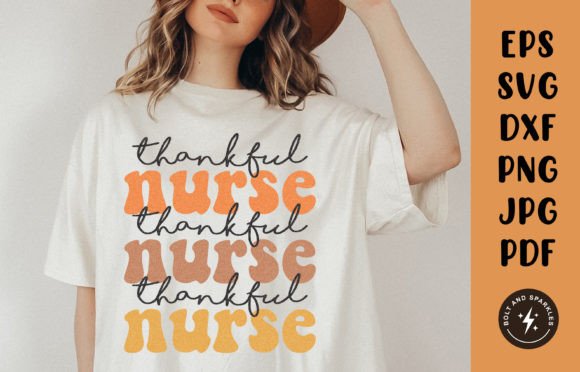
Reviewing the Thankful Nurse SVG for Embroidery
As a designer who has spent countless hours digitizing files and testing them on various machines, I have learned that not all digital assets translate well to thread. When I first pulled up the Thankful Nurse, SVG file, my initial reaction was one of cautious optimism. The theme is timely, blending healthcare appreciation with the warmth of Thanksgiving, but the real test lies in how these vector lines behave once they are converted into stitches. For embroidery designers, small business owners, and Etsy sellers, understanding the gap between a crisp screen image and a textured finished product is crucial. This review breaks down the practical application of this design in real-world scenarios.
First Impressions and Visual Personality
The mood of the Thankful Nurse, SVG is inherently grateful and professional. It avoids the overly cartoonish tropes often found in holiday graphics, opting instead for a cleaner, more respectful aesthetic. From a layout perspective, the balance between text and iconography appears stable. For an embroidery project, this is vital. If the elements are too spread out, you risk registration issues where the hoop moves and the design misaligns. If they are too cramped, the stitch density becomes unmanageable, leading to puckering.
The visual personality suggests versatility. It does not scream "seasonal only," which means it has a longer shelf life for craft business inventory. A nurse might wear this in November, but the sentiment of thankfulness applies year-round. This longevity is a key selling point for handmade products and boutique branding. The design feels like it belongs on items that are meant to be kept and cherished, rather than disposable decor.
Real-World Application: The Custom Sweatshirt Test
To truly evaluate a machine embroidery design, you must imagine it on fabric. I visualized this specific file on a mid-weight cotton blend sweatshirt, a popular item for custom apparel. The Thankful Nurse, SVG includes formats like EPS, DXF, and SVG, which are essential for resizing without losing quality before digitizing or using with cutting machines for applique.
In this scenario, the design would likely serve as a chest logo or a larger back piece. If used on the chest, the clarity of the lines is paramount. Nurses are often in motion, and their uniforms or casual wear undergo frequent washing. A design with poor stitch structure will fray or distort after just a few cycles. Assuming the digitizer has used appropriate satin stitch borders for any text and a balanced fill stitch for larger graphic elements, this design should hold up well. However, if the original SVG contains extremely thin lines, those may need to be thickened during the digitizing process to ensure they do not get lost in the fabric texture.
Considerations for Tote Bags and Aprons
Another strong candidate for this embroidery file is a canvas tote bag or a kitchen apron. These items are common gifts for healthcare workers. Canvas has a distinct weave, which can interfere with small details. When reviewing the Thankful Nurse, SVG, I looked for areas where tiny details might vanish. The high-resolution PNG included in the package allows for a quick visual check, but the vector files (SVG, EPS, DXF) are what matter for production.
For a tote bag, the design needs to be bold. Delicate running stitch details might look elegant on silk but will disappear on heavy canvas. If you are an Etsy seller planning to offer this as a personalized gift, consider offering it as an applique design. Using the SVG to cut a contrasting fabric shape and then stitching around the edge can reduce bulk and add a professional, layered look that customers love. This approach also mitigates issues with stitch density, making the final product softer and more comfortable to touch.
Navigating Fabric and Hoop Constraints
Not every surface is ideal for every design. While the Thankful Nurse, SVG is versatile, there are constraints to consider. Curved surfaces, such as caps or hats, require careful placement. If the design is wide, it may wrap around the curve of the cap, distorting the text. In such cases, scaling down the design or choosing a simpler version of the graphic is necessary. Always check the hoop size compatibility with your machine before starting. A design that fits perfectly in a 5x7 hoop might be too large for a 4x4, requiring significant resizing that could compromise legibility.
Textured fabrics and stretchy materials present another challenge. Knits, commonly used for baby clothes or comfortable scrubs, require robust stabilization. Without proper stabilizer, the tension from the embroidery threads can cause the fabric to pucker, ruining the clean lines of the design. For dark fabrics, thread color contrast becomes a critical decision. The design’s effectiveness relies on visibility. A light thread on a navy scrub top works, but ensure the digitized file accounts for underlay stitches to prevent the dark fabric from showing through the top stitches.
Commercial Value and Brand Consistency
For creative entrepreneurs and small shop product creators, the perceived value of the finished item is tied directly to the quality of the embroidery. A sloppy stitch-out devalues the brand. The Thankful Nurse, SVG offers a professional base, but the execution is up to the maker. Using this design in a cohesive collection of holiday embroidery items can boost buyer engagement. It signals that the seller understands their audience—nurses who want to feel appreciated and recognized.
When creating printable mockup images for your online store, use the high-resolution PNG provided. It saves time and ensures your marketing materials look sharp. However, always verify that the license terms allow for commercial use of the finished physical items. Most standard licenses permit selling stitched goods, but reselling the digital file itself is usually prohibited. Confirming these details protects your craft business from legal issues.
Practical Designer Notes for Best Results
Before committing to a full production run, follow these steps to ensure success with the Thankful Nurse, SVG:
- Test on Scrap Fabric: Always stitch a sample on the same type of fabric you intend to sell. This reveals issues with tension and density.
- Check Thread Contrast: View the design in black and white to ensure the shapes are distinct even without color.
- Inspect Small Details: Zoom in on the vector file. If lines are thinner than 0.5mm, consider adjusting them for better stitch coverage.
- Verify Stabilizer Choice: Use cut-away stabilizer for stretchy fabrics and tear-away for stable woven fabrics to maintain shape.
- Review Licensing: Ensure you understand the rights associated with the digital embroidery file for both personal and commercial projects.
In conclusion, the Thankful Nurse, SVG is a solid addition to a designer’s library of design assets. It bridges the gap between seasonal relevance and professional appreciation. By paying attention to fabric choice, stabilization, and stitch quality, you can transform this digital graphic into a high-value handmade product. Whether for a baby embroidery project, a sweatshirt embroidery gift, or a commercial embroidery batch for a local hospital, this design holds promise. The key is respecting the medium of thread and allowing the design to breathe on the fabric, ensuring the final result is as thoughtful as the sentiment it conveys.