Reviewing the World’s Best Nurse SVG for Embroidery
As a designer who spends half my life digitizing files and the other half watching them stitch out on fabric, I have learned to look past the glossy preview images. When I first opened the World’s Best Nurse SVG Design, my immediate goal was not just to admire the aesthetics but to determine its viability for real-world production. In the world of Crafts and digital Graphics, there is a significant difference between a file that looks good on a screen and one that performs reliably under the needle. This review breaks down how this design holds up when moved from a digital asset to a tangible, stitched product.
First Impressions and Visual Personality
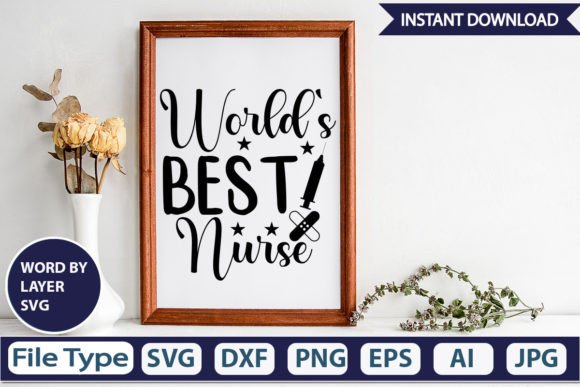
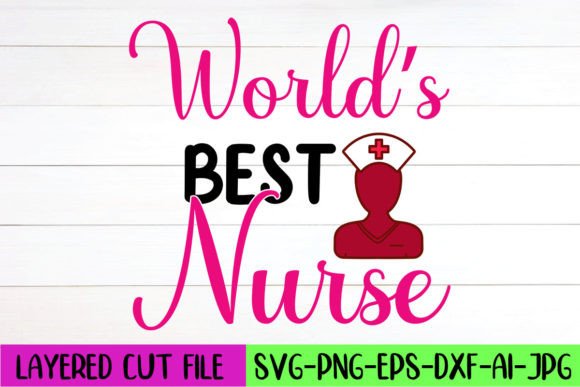
The initial visual impact of the World’s Best Nurse SVG Design is warm and professional. It strikes a balance between celebratory and respectful, which is crucial for medical-themed apparel. The layout appears clean, with distinct separation between elements. For an embroidery designer, this spacing is vital. Crowded designs often lead to thread breaks or messy pull compensation, but this file seems to offer enough breathing room for standard stitch types.
The mood it creates is one of pride and appreciation. It does not rely on overly complex shading or tiny, indistinguishable details that get lost in translation. Instead, it uses strong shapes and clear typography. This simplicity is a strength, particularly for those of us working with machine embroidery design software where simplifying paths can save hours of editing time. The design feels ready for immediate use, whether you are creating a quick gift or a batch of products for a small shop.
Real-World Application: The Custom Tote Scenario
To truly test the versatility of this file, I imagined a common client request: a personalized gift for a head nurse retiring after thirty years of service. The chosen vessel was a heavy canvas tote bag. This is a practical test because canvas has a distinct texture and requires specific handling regarding stabilizer choice and stitch density.
Using the SVG file, I imported the design into my digitizing software to inspect the layers. Since the product description notes that you receive a layered file, including SVG, PNG, EPS, AI, JPG, and DXF formats, the workflow is flexible. For embroidery, I focused on the vector paths. The design translated well to a combination of satin stitch for the borders and text, and fill stitch for any larger graphic elements. On the canvas tote, the bold lines of the World’s Best Nurse SVG Design stood out clearly against the woven background. The result was a crisp, professional-looking embroidered patch effect that felt durable enough for daily hospital use.
Versatility Across Products
Beyond tote bags, this design shows promise for various custom apparel items. For sweatshirt embroidery, the design’s scale can be adjusted to fit comfortably on the left chest or as a larger back piece. The clean lines ensure that the texture of the fleece does not interfere with the readability of the text. Similarly, for baby embroidery projects, such as a onesie for a nurse’s newborn, the design can be scaled down. However, caution is needed here. When shrinking any design, one must verify that the text remains legible and that the hoop size allows for proper stabilization without distorting the delicate knit fabric.
For Etsy seller audiences, this file offers excellent potential for holiday embroidery gifts, such as Christmas ornaments or personalized aprons. The layered nature of the file allows crafters to separate elements if they wish to create multi-color variations or simplify the design for faster stitching times. This flexibility is a key selling point for craft business owners who need to optimize production efficiency.
Technical Considerations and Potential Pitfalls
While the design is robust, no file is universally perfect for every situation. There are specific scenarios where the World’s Best Nurse SVG Design requires careful handling. One major consideration is fabric texture. On highly textured materials like terry cloth or rough linen, fine details can get lost. If you are stitching on these surfaces, consider increasing the stitch width slightly or using a contrasting thread colors palette to enhance visibility.
Another critical area is curved surfaces, such as caps or hats. Embroidering on a curved cap requires precise hooping and often a different approach to density. If the design has large solid areas, it may cause puckering on thin cap material. In such cases, using a cut-away stabilizer and potentially reducing the fill density is advisable. Always test on scrap fabric first. This golden rule of embroidery cannot be overstated. A test run allows you to check tension, thread breakage, and overall appearance before committing to the final finished product.
Additionally, when working with dark fabrics, the choice of thread becomes paramount. The design’s effectiveness relies on contrast. If the original design assumes a light background, stitching it on black navy scrubs might require outlining or changing thread colors to ensure the message pops. Using printable mockup tools can help visualize these changes before stitching, saving both time and materials.
Impact on Brand and Customer Perception
For small shop product creators, the quality of your design assets directly influences customer trust. A clean, well-spaced design like the World’s Best Nurse SVG Design conveys professionalism. When customers receive a personalized gift that looks neat and durable, they are more likely to leave positive reviews and return for future purchases. In the competitive landscape of commercial embroidery, attention to detail sets you apart.
This design also supports brand consistency. If you are building a line of medical-themed apparel, having a reliable base file that works across different garments helps maintain a cohesive look. Whether it is a tote bag design or a set of scrub caps, the visual language remains consistent, reinforcing your brand identity.
Practical Notes for Designers and Makers
Before you begin your next embroidery project, keep these practical tips in mind when using this file:
- Check Licensing: Always confirm the license terms provided with the download. Ensure you are compliant if you plan to sell handmade product items or use the design in digital embroidery file bundles.
- Inspect Small Details: Zoom in on the vector file in Illustrator or Silhouette Studio. Look for any stray nodes or overlapping paths that might cause stitching errors.
- Test Stabilizers: Different fabrics react differently. Use tear-away for stable wovens and cut-away for knits or stretchy fabrics.
- Verify File Formats: The package includes SVG, PNG, EPS, AI, JPG, and DXF. Ensure you are using the correct format for your specific machine or software. While it works great with Adobe Illustrator, Cricut, and Silhouette, always double-check compatibility with your specific embroidery hardware.
- Contrast Check: Test the design in black and white to ensure the shapes are distinct even without color differentiation.
In conclusion, the World’s Best Nurse SVG Design is a solid addition to any designer’s library. It offers the flexibility needed for diverse applications, from appliqué design adaptations to straightforward satin stitch executions. By understanding its strengths and respecting its limitations regarding fabric and scale, you can create high-quality, meaningful items that resonate with recipients. Whether you are a hobbyist making a gift for a friend or an apparel decorator fulfilling a bulk order, this design provides a reliable foundation for creative expression.